Back to Archive
Department of Maritime Security
Detailed Reports
Maritime Security
Intelligence
Geopolitics
Wednesday, April 29, 2026
China’s Fishing Fleet as a Dual-Use Military Asset: An OSINT Analysis of Scale, Doctrine, Economics and Operations

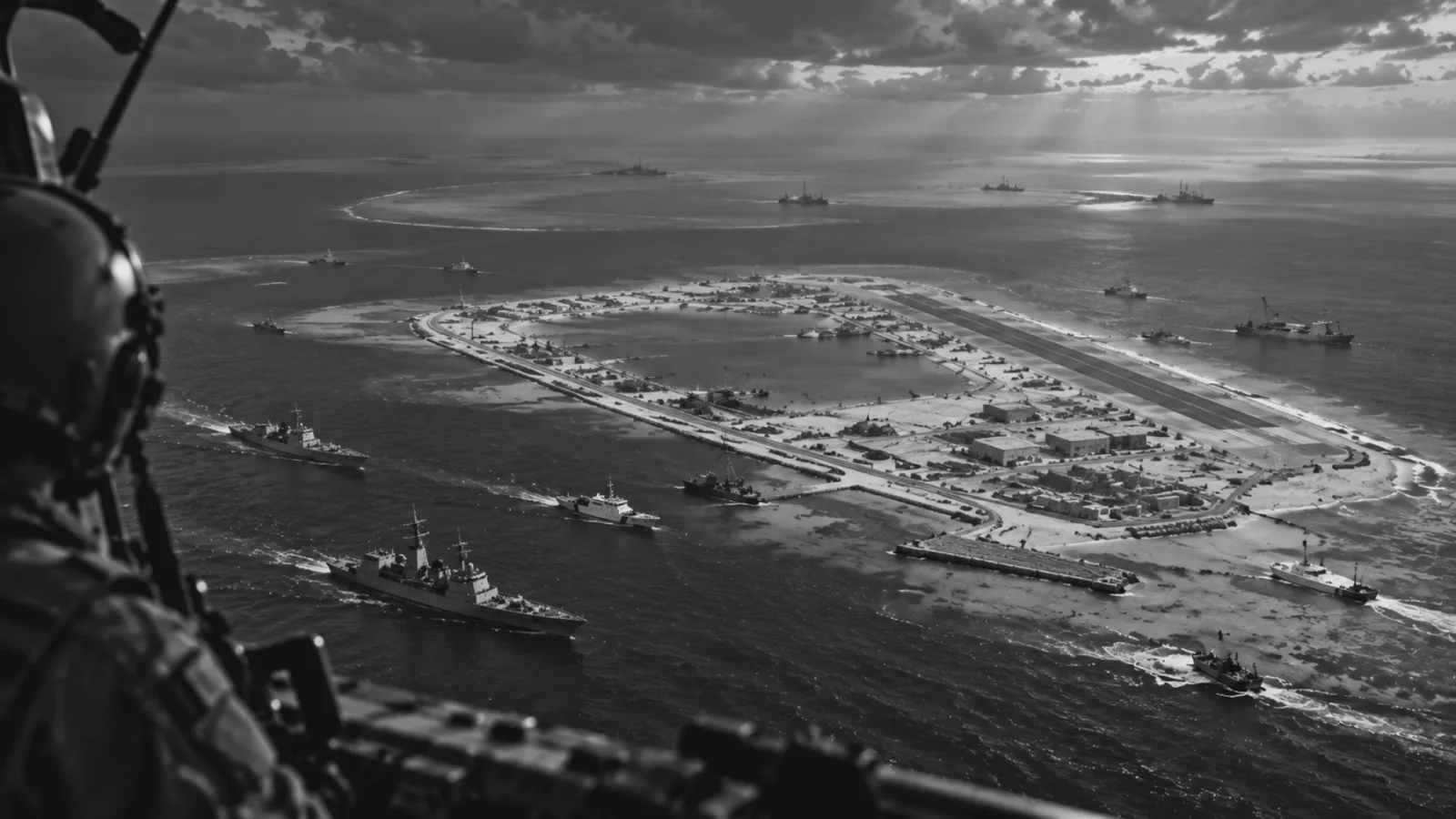
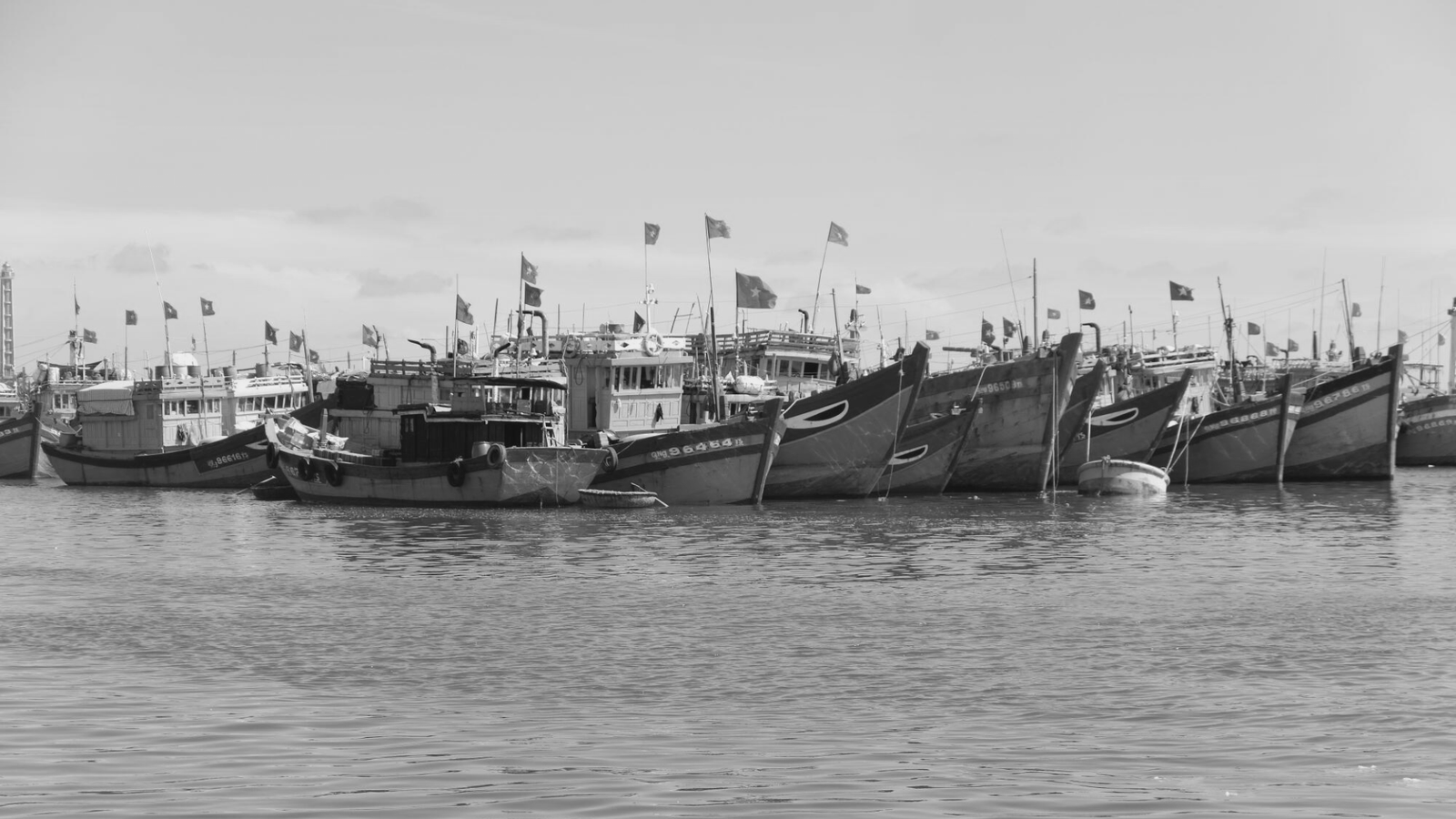
<p class="ql-align-justify"><em>China has engineered the world's most consequential maritime grey-zone instrument by weaponising its civilian fishing fleet. Numbering more than 57,000 blue-water-capable industrial vessels and backed by an opaque, multi-billion-dollar state subsidy architecture, China's Distant-Water Fishing (DWF) fleet simultaneously functions as a sovereign food-security shield, a geopolitical coercion tool, a globally distributed ISR network, and the indispensable logistical backbone of future high-intensity military campaigns, most critically a prospective amphibious assault on Taiwan.</em></p><p class="ql-align-justify"><em>The People's Armed Forces Maritime Militia (PAFMM), the institutional sinew binding this civilian fleet to the People's Liberation Army (PLA), has broken deployment records consecutively in 2024 and 2025. Satellite imagery analysed by the Asia Maritime Transparency Initiative (AMTI) documented a daily average of 241 militia vessels in contested South China Sea waters throughout 2025. Meanwhile, in December 2025 and January 2026, approximately 2,000 and 1,000 Chinese fishing boats, respectively, assembled in precise geometric formations spanning 400 kilometres across the East China Sea, events that senior analysts at CSIS described as having "no clear precedent in publicly available data."</em></p><p class="ql-align-justify"><em>The central strategic insight of this assessment is economic: a fishing trawler costs a tiny fraction of a naval combatant to build, crew, fuel, and maintain, yet it can perform persistent ISR, generate crippling radar clutter, provide amphibious lift, conduct acoustic data relay, and enforce area denial, all with near-complete legal impunity under the civilian-vessel protections of UNCLOS. This makes the fishing fleet, per dollar of state investment, arguably the most cost-efficient tool of blue-water power projection in the history of maritime warfare.</em></p>
Tags
#China maritime militia
#China nine dash line dispute
#China Taiwan invasion strategy
#China-Taiwan Conflict
#Chinese fishing fleet military use
#Chinese naval hybrid warfare
#distant water fishing China
#maritime ISR China
#OSINT China maritime analysis
#People's Liberation Army
#PLA
#PLA maritime strategy
#South China Sea grey zone tactics
#South China Sea maritime security
#UNCLOS grey zone warfare