

Iran Missile Strikes on US Gulf Bases Raise Risk of Wider Middle East War
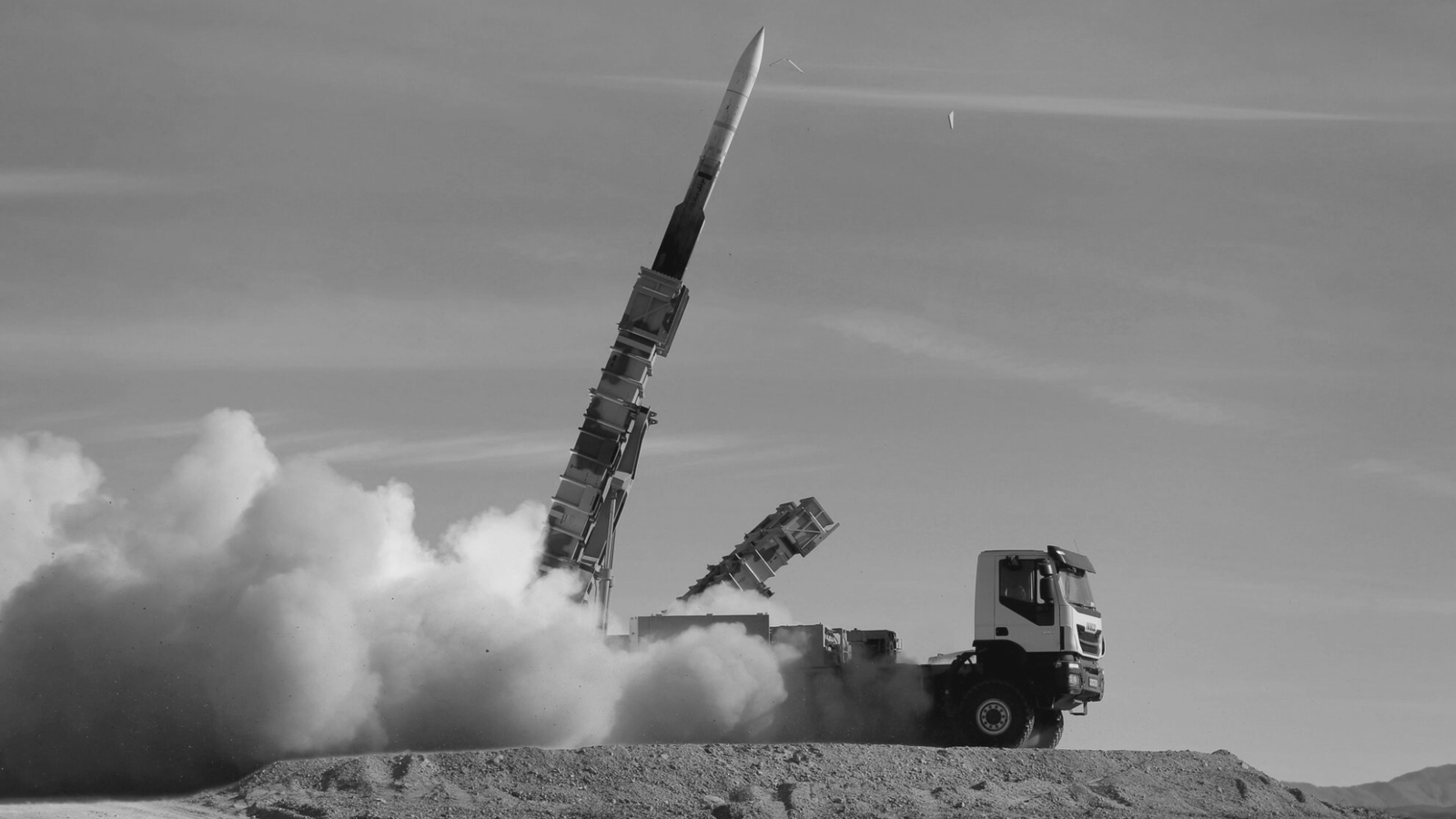
On February 28, 2026, Iran launched ballistic missile strikes against key United States military bases across the Gulf, marking one of the most direct confrontations between Tehran and Washington in recent years. The attacks were described as a response to US support for Israeli operations reportedly conducted under the name “Operation Epic Fury,” which targeted Iranian nuclear and military infrastructure. Iranian state-linked outlets said the missiles were fired by the Islamic Revolutionary Guard Corps using precision ballistic systems. Open-source videos and regional reports indicate mixed interception results against air defence systems including Patriot batteries.
The strikes focused exclusively on military facilities rather than civilian airports, signalling an intent to disrupt operational capacity rather than inflict civilian casualties. Among the primary targets was Al Udeid Air Base in Qatar, the largest US military installation in the region and home to CENTCOM’s forward headquarters. The base hosts more than 100 aircraft, including refuelling tankers and strike platforms central to US operations in the Middle East. Geolocated footage showed smoke plumes and explosions near the installation, while Qatari defences reportedly intercepted several incoming missiles. Emergency alerts were issued to diplomatic staff in Doha. Any temporary runway or logistics disruption at Al Udeid would complicate air refuelling cycles and delay strike missions over Iran.
In Bahrain, missiles reportedly targeted the headquarters of the US Fifth Fleet, which oversees naval operations in the Gulf. Videos circulating online showed air defence systems engaging incoming threats over Manama. Iranian sources claimed impacts near supply and command facilities. Even limited disruption at the naval command structure would affect coordination of carrier strike groups and maritime patrols, particularly amid rising tensions in regional shipping lanes.
Al Dhafra Air Base in the United Arab Emirates was another reported target. The base hosts advanced US aircraft including F-35 fighters and intelligence surveillance platforms. Footage from Abu Dhabi showed interception attempts, while unverified reports mentioned localized fires and temporary airspace closures. Any operational pause at Al Dhafra would affect stealth strike and reconnaissance capabilities used in monitoring Iranian activity.
Ali Al Salem Air Base in Kuwait, a key logistics hub for US troop movements and equipment flow, also experienced reported strikes. Though damage appears limited, even minor disruptions to transport and supply chains can slow reinforcement and sustainment efforts during high-tempo operations.

Regional escalation risks remain high. The United Arab Emirates has signalled it may respond, while Saudi Arabia could align more closely with US and Israeli security efforts if hostilities intensify. Houthi attacks in the Red Sea continue to threaten maritime trade routes, and Hezbollah in Lebanon retains the capacity to open a northern front. Iran-aligned militias in Iraq have increased attacks on American facilities, widening the operational theatre.
The Strait of Hormuz remains the most sensitive flashpoint. Any attempt to close or disrupt this oil transit chokepoint would trigger sharp global energy price spikes and likely draw multinational military involvement. Jordanian facilities could also face pressure depending on force deployments, while diplomatic channels involving Turkey and Egypt remain fragile.
Open-source intelligence monitoring of IRGC messaging, including references to “Khatm al-Tufan,” suggests Tehran is signalling readiness for sustained confrontation. With ballistic missile exchanges, proxy mobilization, and nuclear tensions intersecting, the Gulf security environment faces its most serious stress test in years.


