

SITREP: Afghanistan as Sanctuary, Pakistan as Target: AQIS and TTP Through the Lens of UN Monitoring Reports

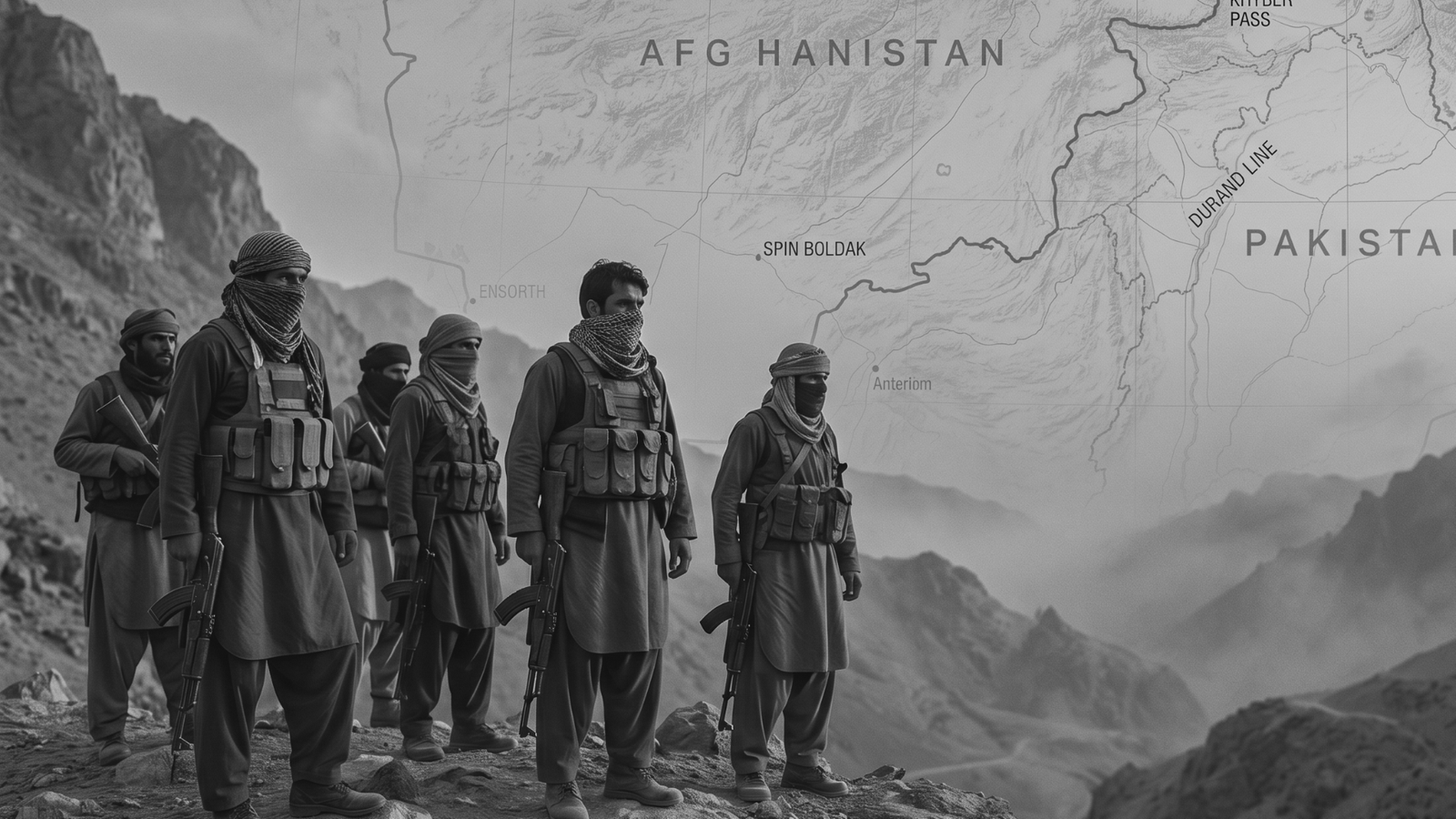
Two recent reports from the UN Analytical Support and Sanctions Monitoring Team offer some of the most detailed open-source assessments available of the terrorist infrastructure operating across Afghanistan and Pakistan. Read together, they reveal a consistent and troubling pattern: Afghanistan functions as a protected sanctuary where groups train, plan, and organise, while Pakistan continues to bear the weight of the operational violence.
Al-Qaida in the Indian Subcontinent, known as AQIS, sits at the centre of this dynamic. The group remains physically rooted in south-eastern Afghanistan, where the Haqqani Network exerts considerable influence. Its emir, Osama Mahmoud, a native of Bajaur District in Khyber Pakhtunkhwa, is reported to be based in Kabul. His deputy, Atif Yahya Ghouri, operates out of Barmal District in Paktika Province and manages much of the group's day-to-day activity. A media cell functions out of Herat. Despite this Afghan footprint, AQIS has increasingly oriented itself toward Pakistan, deepening its operational relationship with the Tehrik-e-Taliban Pakistan and providing training and tactical support. Member states estimate the group's strength at between 200 and 300 members, but the UN team flags growing concern about its intent to conduct external operations, likely through deniable channels.
TTP remains one of the largest terrorist organisations sheltered on Afghan soil. Its attacks on Pakistani security forces have grown more sophisticated and, at times, involve significant numbers of fighters. The November 2024 assault on an Islamabad courthouse, which resulted in 12 deaths, was the first such strike in the capital in several years. Though claimed by a TTP splinter group, it represented a meaningful shift in targeting. Some member states have raised the prospect of TTP broadening its cooperation with Al-Qaida-aligned groups, which could expand the range of targets and, over time, push the threat beyond Pakistan's borders. TTP did suffer a notable setback with the death of its deputy emir, Mufti Muzahim, in a Pakistani operation in October 2025, but the group's overall trajectory remains concerning.
A newer development deserves close attention. Ittihad-ul-Mujahideen Pakistan emerged in April 2025 and is understood to draw fighters from AQIS, the Hafiz Gul Bahadur Group, and Lashkar-e-Islam. It has claimed more than 150 attacks on Pakistani security forces and is believed to field around 500 fighters. The de facto Afghan authorities are thought to have facilitated freedom of movement for the group into Afghanistan for training at local camps. Like Tehrik-e-Jihad Pakistan before it, which appeared in 2023, this group is widely assessed as a vehicle through which TTP and AQIS can strike Pakistani targets while maintaining plausible deniability. The UN Monitoring Team has placed it under close scrutiny.
What these reports collectively illustrate is a deliberate structural arrangement. The Taliban-administered territory provides command space, training infrastructure, and freedom of movement. Pakistan, and to a lesser extent Central Asian neighbours, faces the resulting violence. Al-Qaida's role as a patron and force multiplier across this network, operating with what the UN team describes as the continued patronage of the de facto authorities, gives the broader ecosystem a degree of coherence that individual group assessments can obscure.
For analysts and policymakers working on South Asian security, these reports are a reminder that the Afghanistan-Pakistan threat corridor is neither dormant nor contained. It is adapting.
References
United Nations Security Council, Analytical Support and Sanctions Monitoring Team. (2025, December 8). Sixteenth report of the Analytical Support and Sanctions Monitoring Team established pursuant to resolutions 1526 (2004) and 2253 (2015) (S/2025/796, paras. 95–98, pp. 18–19). United Nations. https://docs.un.org/en/S/2025/796
United Nations Security Council, Analytical Support and Sanctions Monitoring Team. (2026, February 4). Thirty-seventh report of the Analytical Support and Sanctions Monitoring Team pursuant to resolutions 1526 (2004) and 2253 (2015) concerning Islamic State in Iraq and the Levant (Da'esh), Al-Qaida and associated individuals, groups, undertakings and entities (S/2026/44, paras. 86–90, p. 17). United Nations. https://docs.un.org/en/S/2026/44


