

Why Afghanistan Pakistan Clashes Escalated in 2026 and What Sparked the Current Crisis

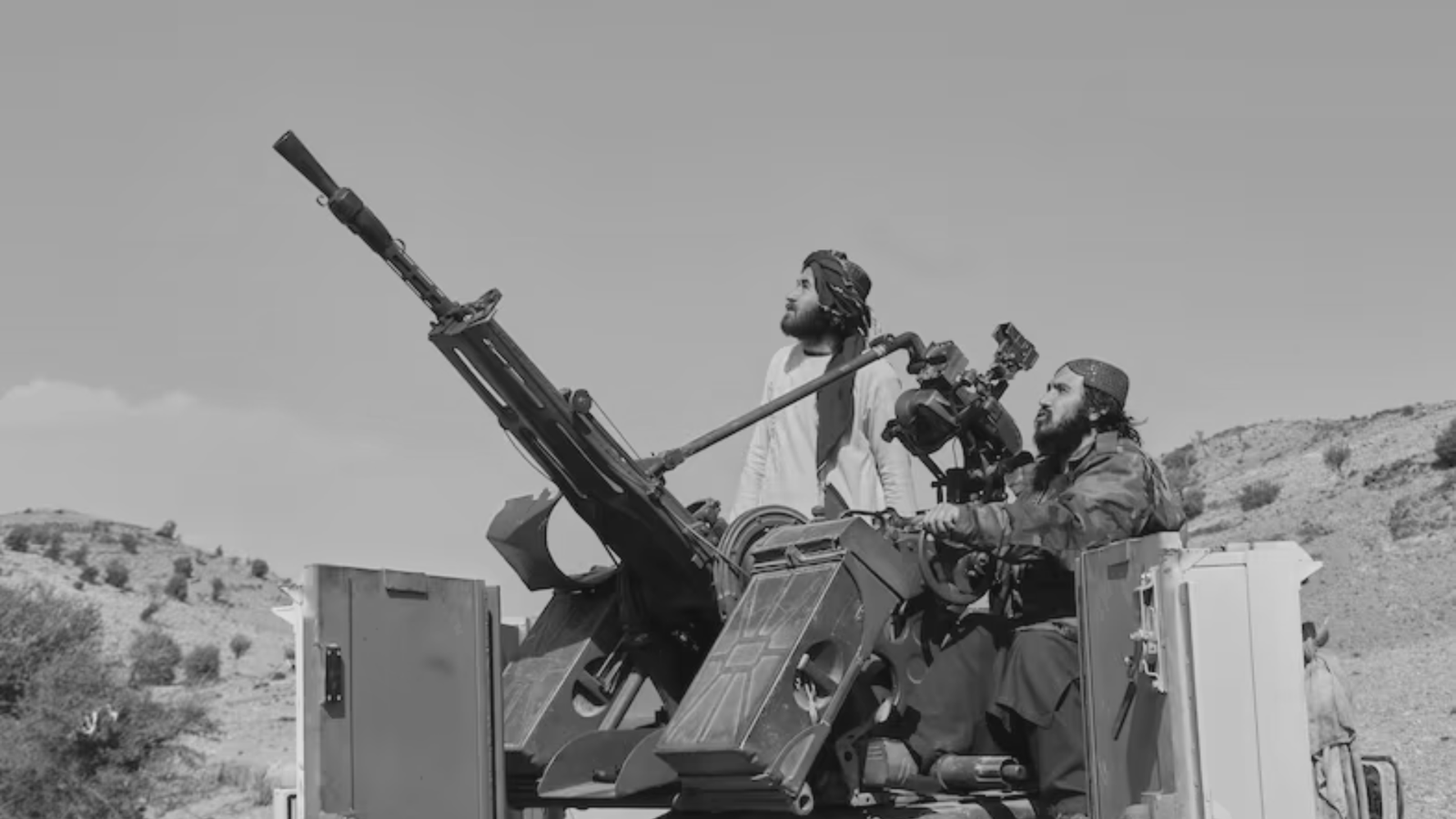
On 22 February 2026, the Pakistan Air Force carried out airstrikes deep inside Afghanistan’s eastern provinces of Nangarhar and Paktika, targeting what Islamabad described as militant camps linked to the TTP and Islamic State Khorasan Province (ISKP). Pakistani military sources claimed scores of militants were killed. Afghan authorities rejected these figures, reported civilian casualties, and condemned the air raids as violations of Afghan sovereignty. Islamabad said the strikes were in retaliation for repeated militant attacks on Pakistani security forces and civilians, including assaults in Bannu District that had increased pressure on Pakistan’s military to act.
Pakistan has named its campaign Operation Ghazab Lil Haq, meaning “Wrath for the Truth,” signalling its intent to degrade militant infrastructure it believes was being tolerated or sheltered inside Afghanistan. Islamabad asserted the operations were necessary to stop what it called “unprovoked firing and militant incursions” from Afghan soil against Pakistani border posts.
The Afghan Taliban government denied harbouring militants and publicly condemned Pakistan’s airstrikes, saying they killed civilians and breached Afghanistan’s territorial integrity. Afghan officials also said their forces responded to Pakistani strikes with defensive fire along the Durand Line, which sparked exchanges of artillery and small arms in several border districts. Both sides have reported casualties, though independent verification is limited amid the conflict.
Underlying these events are longer-term security issues that shaped the 2026 escalation. Since the Taliban returned to power in Kabul in 2021, Pakistan has repeatedly accused the Afghan government of failing to control militant groups focused on Pakistan, especially the TTP, which has been blamed for numerous attacks on Pakistani security forces and public targets. Islamabad has said the TTP and allied groups use safe havens across the porous border to plan and launch attacks inside Pakistan, a claim Kabul denies while also objecting to foreign military operations on its soil.
Attempts to defuse tensions before 2026 had limited success. In late 2025, a ceasefire mediated by Qatar briefly reduced hostilities, but follow-up talks in places such as Istanbul did not produce a lasting agreement. Sporadic cross-border firing, mutual accusations, and diplomatic friction persisted through December 2025 and early 2026, leaving the border region tense even before the major clash in February.
Beyond immediate militant incidents, geopolitical and security pressures have fed into the crisis. Pakistan’s leadership has framed its operations as necessary self-defense to prevent militant groups from gaining strength on its border. The presence of TTP fighters and allied insurgent factions has complicated efforts to stabilise the region. Afghanistan rejects accusations of supporting or protecting such groups, but repeated reports of militants moving across the frontier have kept tensions high.
International responses reflect concern that the conflict could widen. Countries including China and the European Union called for restraint and renewed negotiations, warning that continued clashes risk expanding instability across South Asia. With both Islamabad and Kabul accusing each other of aggression and violations of sovereignty, the 2026 Afghanistan Pakistan clashes are rooted in a mix of recent militant violence, unresolved border security disputes, and deep mistrust shaped by years of conflict and failed diplomacy.


